Analyzing How Assessment Criteria Influence Access to Layered Privileges in Chance-Based Virtual Entertainment Networks
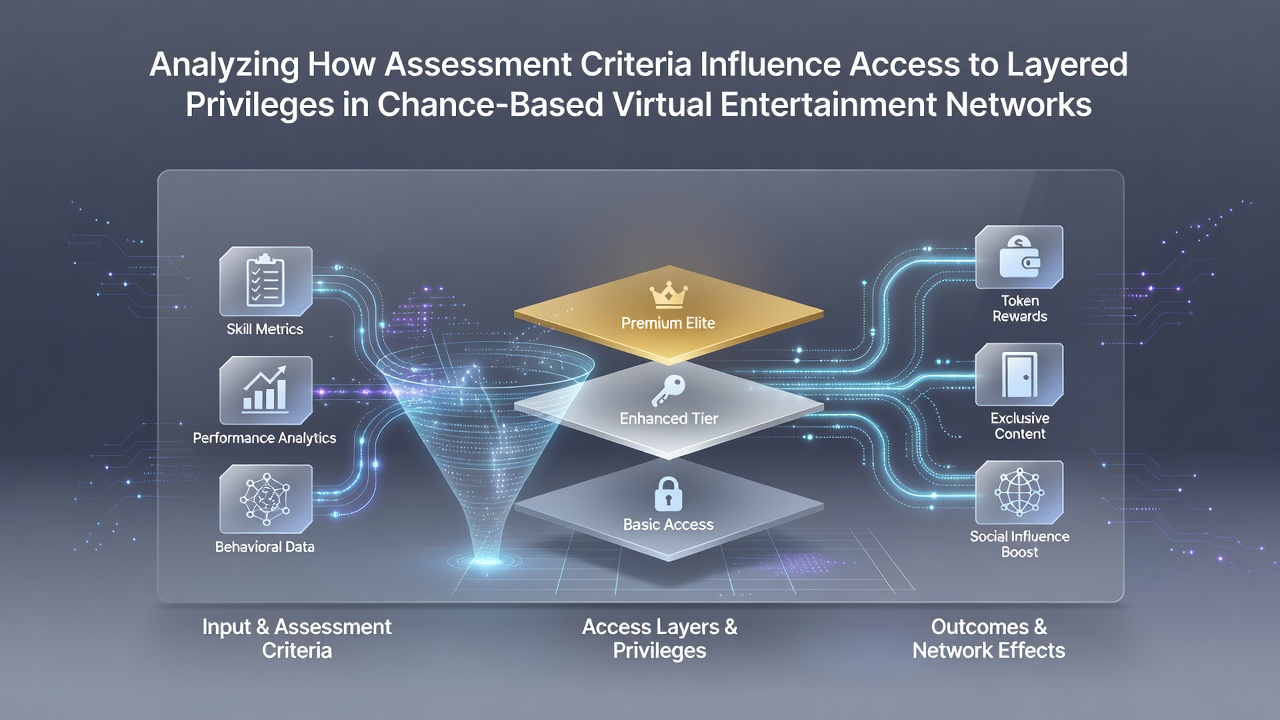
Assessment criteria in chance-based virtual entertainment networks determine which users gain entry to higher privilege layers, and these systems rely on measurable activity thresholds that platforms track through automated data collection. Networks evaluate total wager volume, deposit frequency, session duration, and account verification status to assign tier status, while operators adjust thresholds periodically based on aggregate user behavior patterns reported in industry analyses.
Core Metrics That Shape Tier Eligibility
Platforms calculate eligibility using a combination of quantitative indicators that include cumulative deposits over rolling periods, average bet sizes per session, and completion rates for promotional challenges, yet these formulas differ across operators in North America and Europe. Data from regulatory filings shows that higher tiers often require users to meet minimum activity levels within 30-day windows, and failure to maintain those levels results in automatic demotion at the end of each cycle. Observers note that verification protocols such as identity checks and payment method confirmations serve as gatekeeping steps before any privilege calculation begins.
How Layered Privileges Respond to Assessment Outcomes
Once criteria thresholds are met, users unlock benefits that range from increased withdrawal limits and personalized game recommendations to dedicated account managers and exclusive tournament entries. Research indicates that the transition from entry-level access to mid-tier status typically hinges on consistent deposit patterns rather than single large transactions, whereas top-tier entry demands sustained high-volume play across multiple game formats. Systems apply weighting factors so that live dealer interactions and progressive jackpot contributions sometimes carry higher value than standard reel spins when algorithms compute final scores.
Regional Patterns Observed Through 2026 Reporting
Figures released in July 2026 by the Nevada Gaming Control Board highlighted shifts in how assessment models affected privilege distribution across licensed platforms operating in the state. Those reports documented an increase in users reaching intermediate tiers after operators revised deposit-frequency requirements downward in response to changing user engagement data. In parallel, the Alcohol and Gaming Commission of Ontario published summaries showing that Canadian platforms using multi-factor scoring systems granted faster tier progression to accounts that combined verified payment methods with regular session activity.
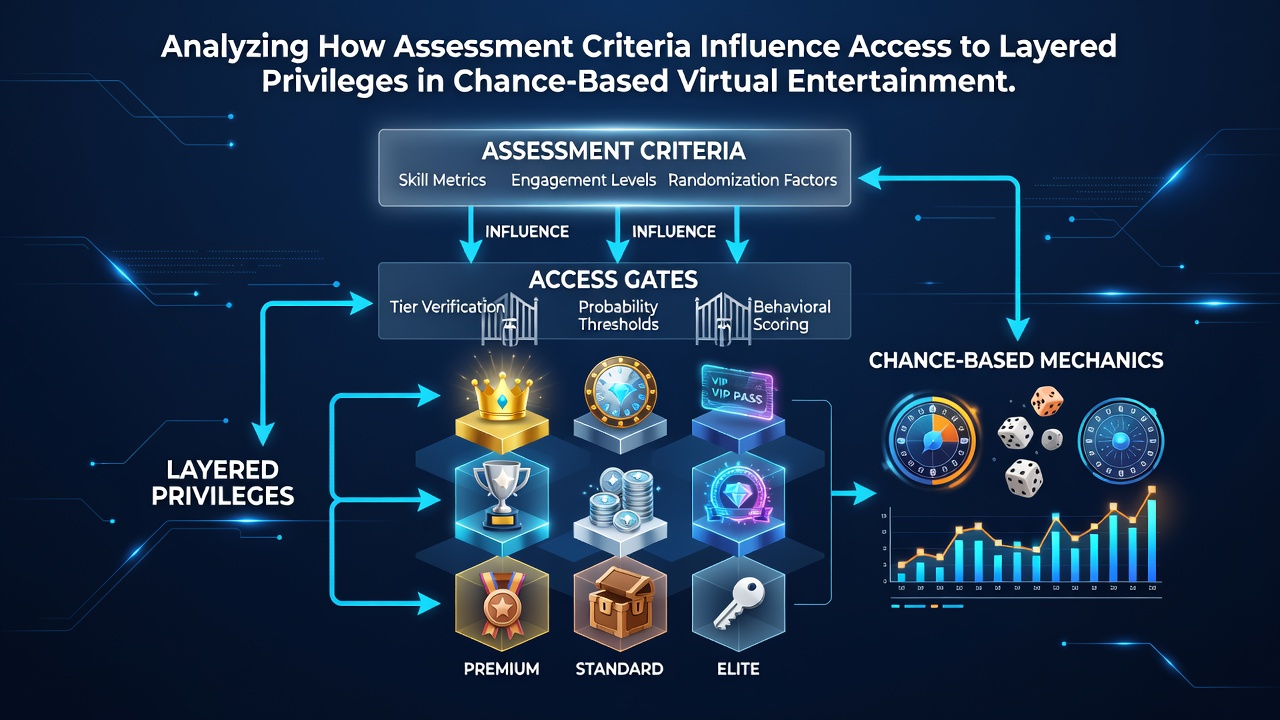
European operators subject to varying national frameworks apply similar logic yet incorporate additional compliance layers tied to responsible gaming markers, and these extra variables can extend the time required to reach premium status. Academic studies from institutions tracking digital entertainment trends confirm that transparent publication of criteria improves user retention rates, while opaque systems correlate with higher churn once users discover hidden thresholds through trial and error.
Interaction Between Game Formats and Scoring Weight
Chance-based networks assign different point values to automated reel games versus interactive table formats when calculating tier advancement, and this weighting influences which users climb fastest. Users who concentrate activity in live dealer environments often accumulate qualifying points at accelerated rates compared with those focused solely on slot titles, according to aggregated platform analytics shared at industry conferences. Networks also track real-time interaction metrics such as chat engagement and bonus round participation, adding these elements into composite scores that determine access speed to layered rewards.
Verification Protocols as Prerequisite Filters
Before any assessment scoring occurs, platforms require identity verification and payment source confirmation, steps that filter accounts ineligible for privilege consideration regardless of activity volume. Regulatory bodies in multiple jurisdictions mandate these checks to prevent fraud, and the resulting verified user pools then enter the tier evaluation pipeline. Delays in verification processing can postpone privilege activation even when activity metrics already satisfy numerical thresholds, creating bottlenecks that operators attempt to reduce through automated document review tools.
Conclusion
Assessment criteria function as the operational backbone that governs movement between privilege layers in chance-based virtual entertainment networks, and ongoing refinements to these metrics continue to reshape access patterns across different regulatory environments. Data collected through July 2026 demonstrates measurable effects on tier distribution when operators alter weighting formulas or verification sequences, while cross-regional comparisons reveal consistent reliance on wager volume and deposit consistency as primary drivers. Continued monitoring by oversight agencies and academic researchers provides the factual basis for understanding how these systems evolve in response to both technological capabilities and compliance requirements.