Assessment Models Shaping Bonus Distribution in Mobile Reel and Table Formats
Devon Klein · Jul 29, 2026
Assessment Models Shaping Bonus Distribution in Mobile Reel and Table Formats
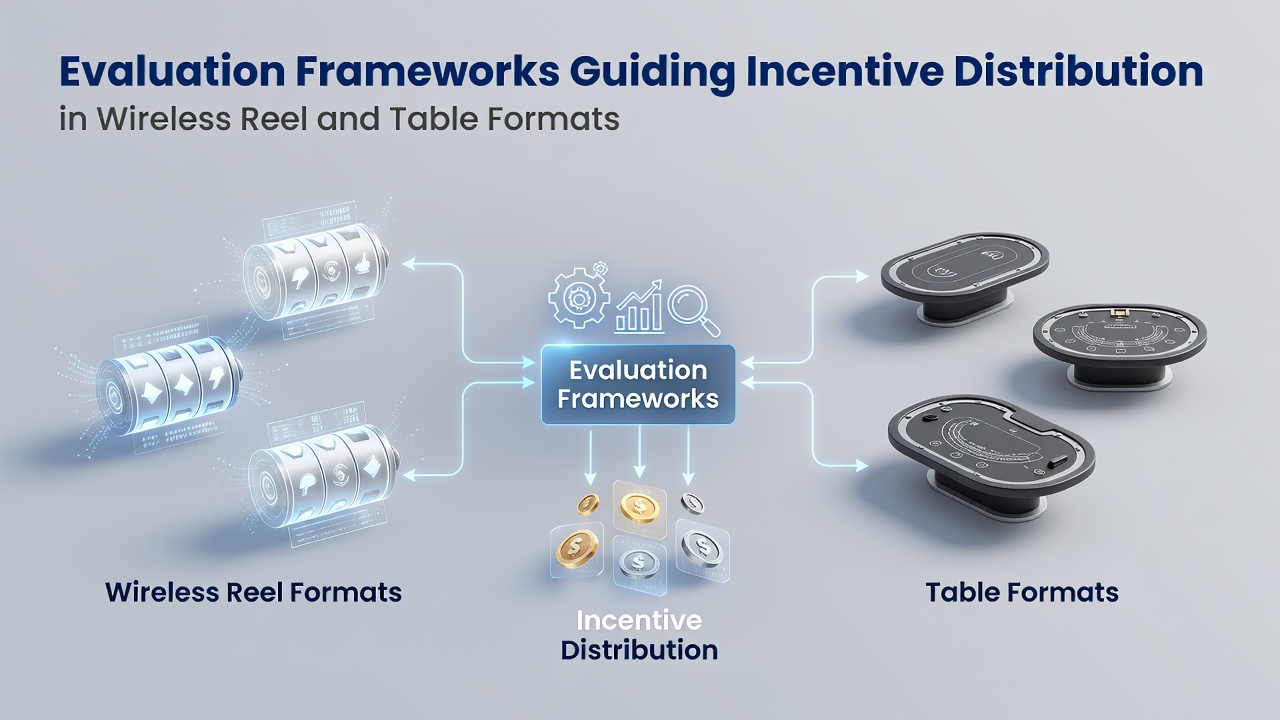
Evaluation frameworks for incentive distribution in wireless reel and table formats rely on structured metrics that track player behavior across slots and live dealer environments, and these systems integrate data from engagement rates, transaction patterns, and retention indicators to allocate rewards efficiently. Observers note that platforms use layered protocols to measure how incentives influence participation in both automated reel games and interactive table sessions, while data from regulatory filings indicates consistent application of these models throughout 2026.
Key performance indicators within these frameworks include session duration, wager volume per user, and conversion from free-play offers to paid activity, and analysts at industry research bodies compile these figures to refine distribution algorithms. In July 2026 reports highlighted shifts in mobile gaming where operators adjusted bonus structures based on real-time analytics from reel and table formats, which allowed for targeted allocation that matched player preferences in portable settings.
Core Metrics Driving Incentive Allocation
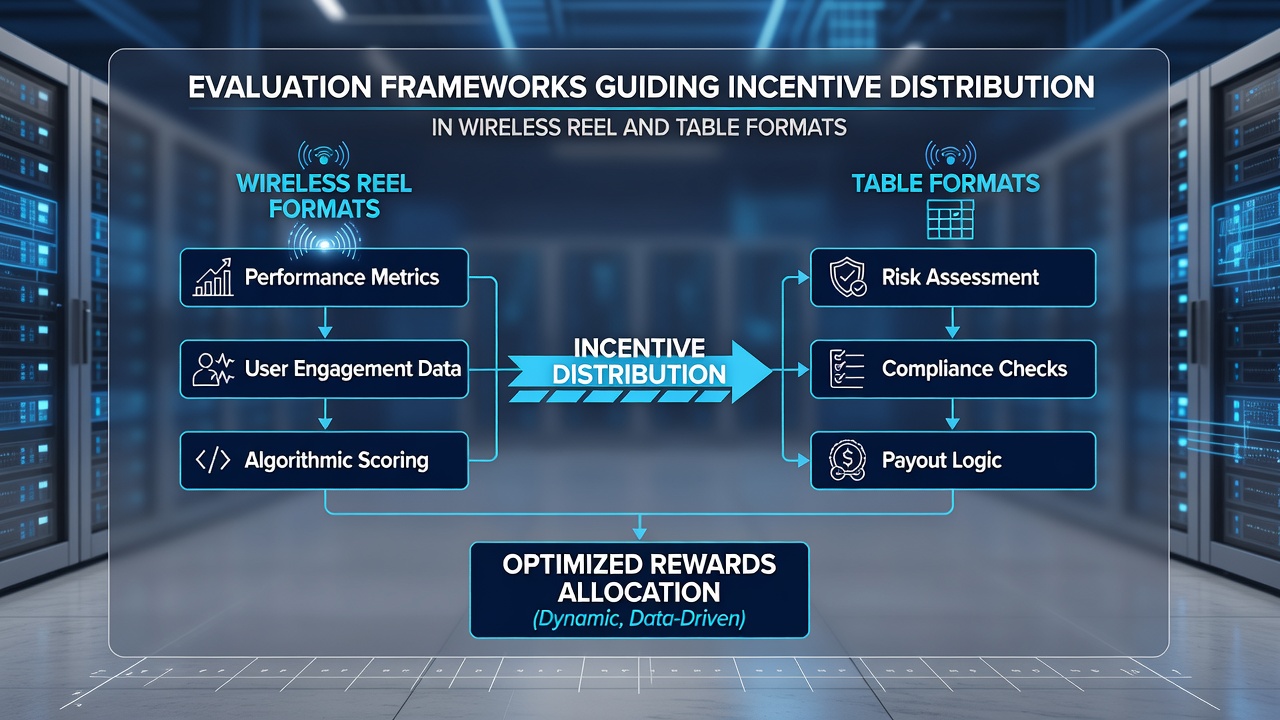
Researchers have identified several primary metrics that guide how incentives reach users in wireless environments, and these encompass return-on-investment calculations for promotional spend alongside behavioral segmentation that separates high-frequency reel players from those favoring table interactions. Transaction efficiency data feeds directly into the models, and platforms apply weighted scoring to determine eligibility for layered rewards such as deposit matches or loyalty points that carry over between reel spins and dealer-led rounds.
Studies from academic institutions show correlations between secure payment methods and higher reward tiers, and these findings help operators calibrate incentives without overextending budgets. One analysis revealed that users who complete verification protocols access enhanced perks at faster rates, which in turn supports sustained activity across mobile reel and table offerings.
Integration Across Reel and Table Environments
Wireless reel formats often receive incentives tied to spin volume and progressive jackpot contributions, whereas table formats emphasize real-time interaction metrics such as hand frequency and decision speed, and frameworks merge these data streams to create unified reward pathways. Observers have documented cases where operators tested hybrid models that rewarded cross-format play, for instance granting bonus spins after table session milestones, and these approaches draw on aggregated user data to maintain balance.
According to findings published by the Canadian Radio-television and Telecommunications Commission, portable platforms in regulated markets recorded measurable gains in user retention when evaluation systems prioritized transaction speed alongside game-type preferences. Similar patterns appear in reports from the Australian Gambling Research Centre, where data indicates that structured assessment of incentive impact leads to more precise distribution across reel and table categories.
Regulatory Influences on Framework Design
Regulatory bodies in multiple jurisdictions require operators to document how evaluation frameworks prevent disproportionate incentive concentration, and this oversight shapes the metrics applied to wireless formats. Data from compliance filings shows that frameworks incorporate audit trails for bonus allocation, which ensures transparency in both reel and table segments. Platforms adjust parameters in response to these requirements, and July 2026 updates reflected ongoing refinements to align with evolving standards for mobile gaming operations.
Those who track industry reports note that verification protocols serve as gatekeepers within the frameworks, and successful navigation unlocks progressive reward tiers that apply uniformly across automated and interactive game types. This structure supports equitable distribution while meeting operational benchmarks established by oversight agencies.
Conclusion
Evaluation frameworks continue to direct incentive distribution in wireless reel and table formats through integrated metrics and regulatory alignment, and ongoing data collection refines these systems for broader application. Figures from multiple regions demonstrate that structured assessment supports consistent reward pathways that respond to player activity patterns in portable environments.