Charting Transaction Routes to Elevated Perks in Handheld Gaming Venues
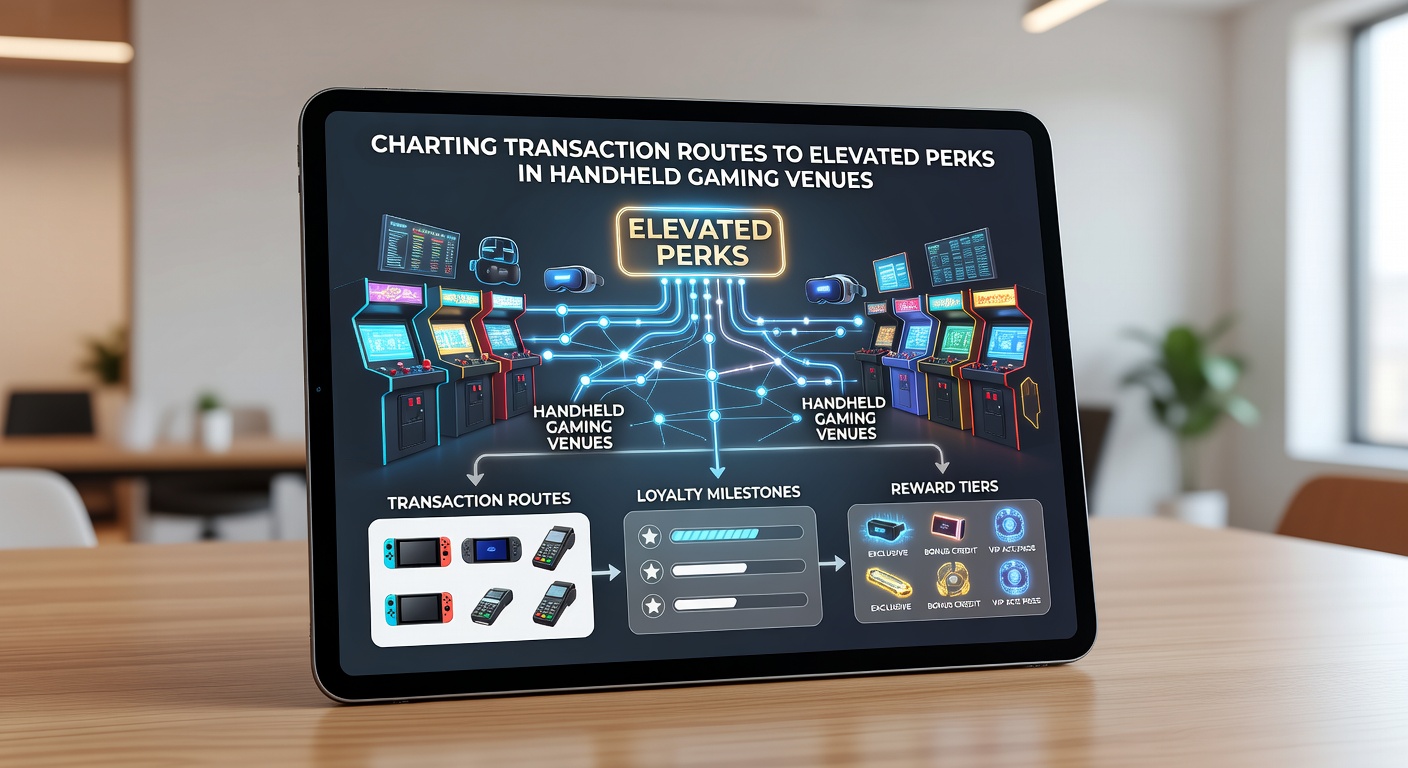
Handheld gaming venues have expanded their focus on transaction pathways that connect payment methods directly to loyalty structures, and data from early 2026 shows clear patterns in how these routes influence access to elevated perks. Observers note that mobile platforms track deposit origins, processing speeds, and withdrawal frequencies to determine tier progression, with certain electronic routes accelerating qualification for premium benefits while others maintain standard reward levels.
Mapping Core Transaction Pathways
Transaction routes in handheld formats typically begin with funding sources that include bank transfers, digital wallets, and card networks, each carrying distinct processing characteristics that gaming operators record. Research indicates that routes involving instant verification systems often link to faster accumulation of activity points, whereas delayed settlement paths require additional volume to reach equivalent perk thresholds. Those who've studied mobile gaming logs report that operators categorize these routes into primary channels where high-frequency small transfers versus larger single deposits produce measurable differences in reward velocity.
Electronic wallet integrations stand out because they frequently interface with venue-specific APIs that log every step from initiation to confirmation, creating detailed maps that loyalty programs reference during tier reviews. Data from May 2026 reveals increased adoption of these mapped routes across multiple jurisdictions, with operators adjusting perk structures based on the documented efficiency of each channel. Analysts observe that venues now publish route-specific guidelines that detail how particular payment sequences align with bonus multipliers or exclusive event access.
Regional Patterns in Route Efficiency
North American markets demonstrate distinct transaction route behaviors compared to European and Asian handheld platforms, where regulatory frameworks shape which pathways receive priority in perk calculations. The New Jersey Division of Gaming Enforcement publishes monthly summaries that track how mobile deposit routes correlate with player retention metrics, showing that verified instant routes maintain higher engagement rates through the first half of 2026. Meanwhile, reports from the Australian Communications and Media Authority highlight parallel developments where route transparency requirements have prompted operators to standardize perk eligibility criteria across different funding methods.
Cross-border handheld gaming reveals additional layers as currency conversion routes introduce extra variables into perk tracking systems. Operators record these conversion steps as separate segments within larger transaction maps, and evidence suggests that routes minimizing conversion delays achieve quicker progression toward elevated status. Industry groups such as the European Gaming and Betting Association have compiled comparative data sets that illustrate how regional differences in route documentation affect the distribution of loyalty rewards across handheld user bases.
Technology Driving Route Visibility
Advanced tracking tools now allow handheld gaming venues to chart transaction routes with granular detail, recording timestamps, intermediary services, and final settlement points that feed directly into loyalty algorithms. These systems identify bottlenecks along certain pathways and automatically adjust perk availability when routes demonstrate consistent reliability. Observers note that integration with blockchain verification options has introduced new route categories that bypass traditional banking delays, resulting in documented increases in tier advancement speed for users who select these channels.
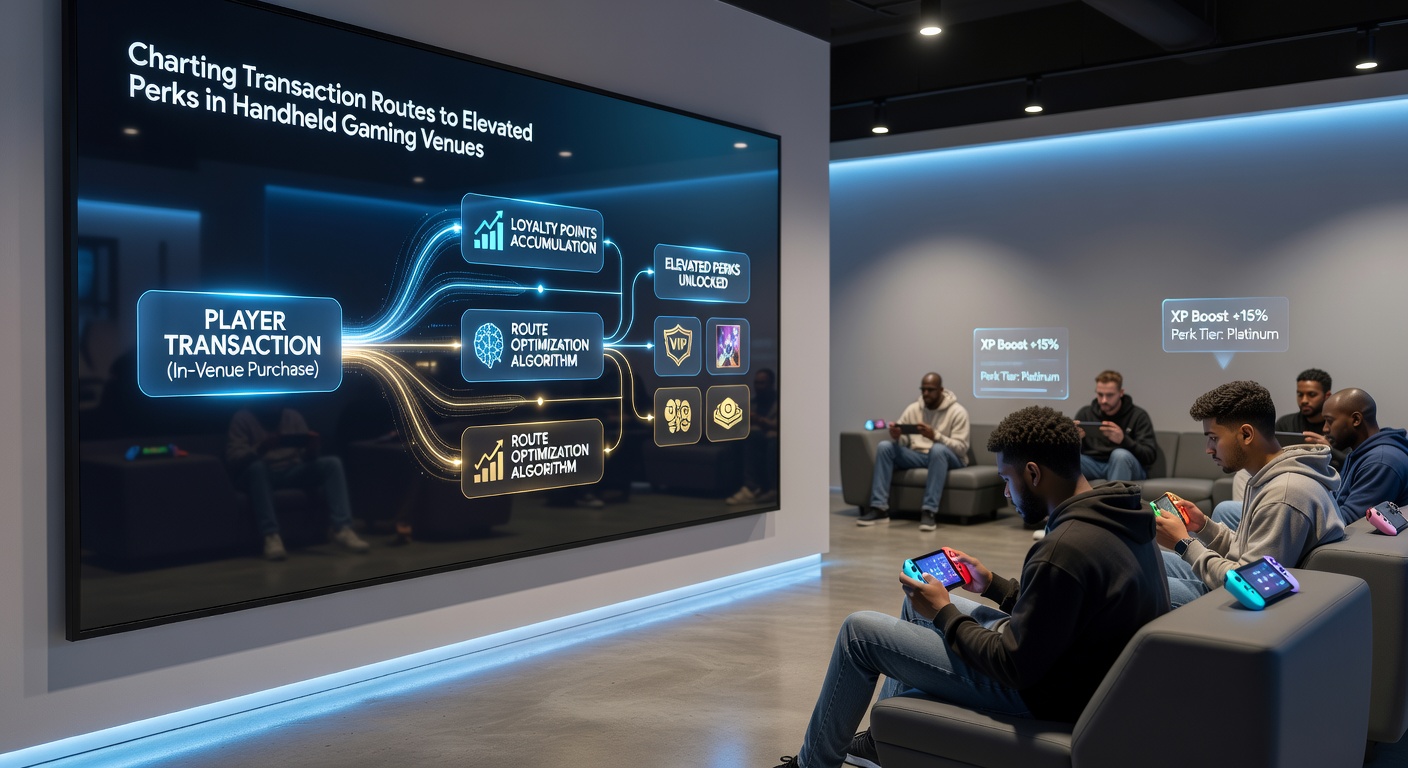
Platform updates released in spring 2026 incorporated real-time route analytics that display current perk eligibility status based on the specific transaction path selected. This visibility enables users to adjust their funding sequences proactively, and records show measurable shifts in route preferences following these feature rollouts. Research from academic studies on digital payment behaviors confirms that transparent mapping of transaction steps correlates with increased utilization of optimized pathways within gaming environments.
Perk Structures Tied to Route Performance
Elevated perks in handheld venues often materialize through tiered systems where transaction route history contributes alongside total volume and frequency metrics. Venues assign weighted values to different route types, with premium status unlocking features such as dedicated support channels, customized game access, and accelerated reward redemption options. Figures from regulatory filings indicate that operators refine these weightings periodically, responding to aggregated data on route reliability and user retention outcomes.
Case examples from multiple platforms illustrate how users who consistently route transactions through verified instant channels reach higher tiers within shorter timeframes than those relying on standard processing sequences. These patterns hold across diverse geographic markets, suggesting that the underlying route mechanics exert consistent influence regardless of local regulatory variations. Trade publications document ongoing refinements to these structures as operators seek to balance incentive distribution with operational efficiency.
Conclusion
Transaction route charting has become a central component of handheld gaming venue operations, with documented connections between specific payment pathways and access to elevated loyalty perks. Regional data sets from 2026 continue to reveal how operators refine these connections through technology and policy adjustments, creating measurable differences in reward outcomes based on route selection. The ongoing evolution of these systems reflects broader industry efforts to align transaction mechanics with user progression frameworks across mobile platforms.