Deciphering Reward System Dynamics in Relation to Prize Accumulation and Real-Time Interaction Formats
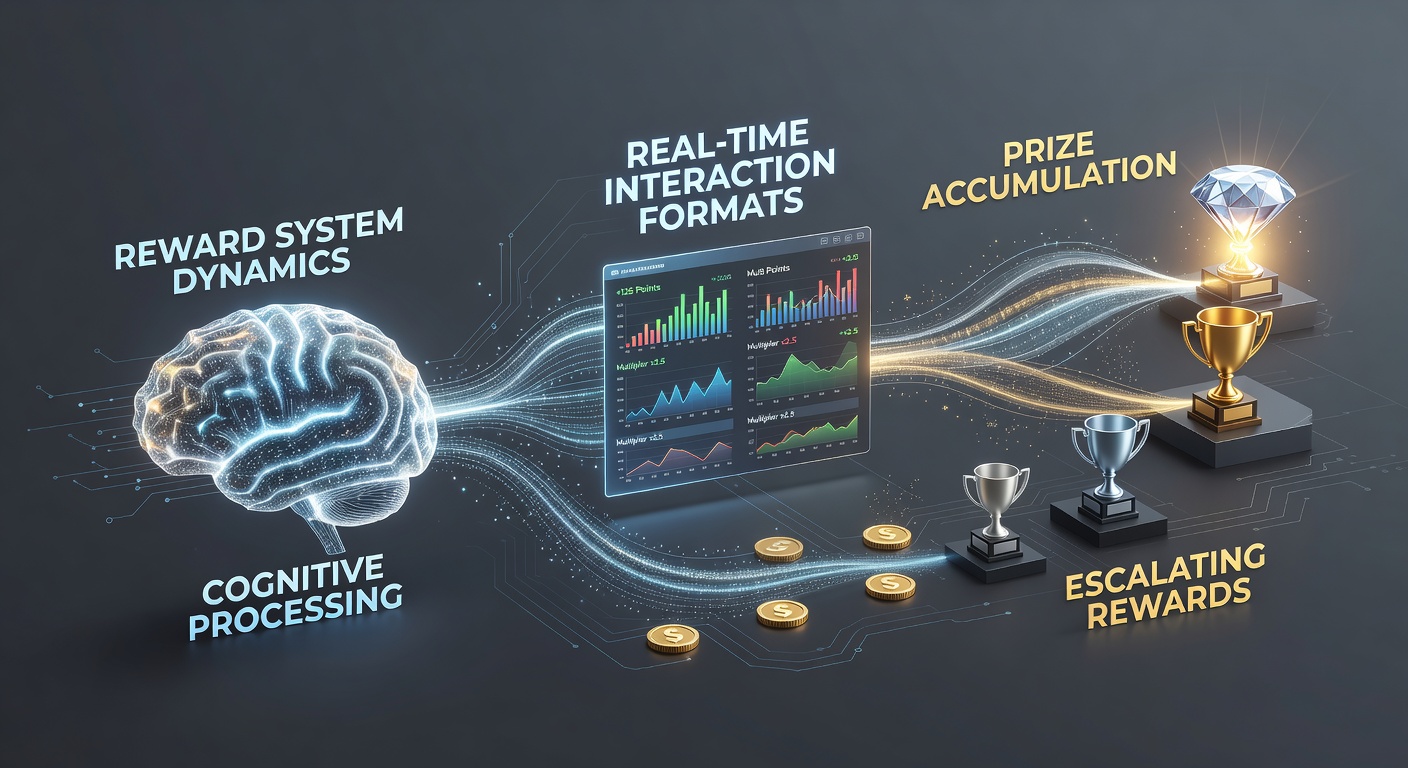
Reward systems in interactive entertainment platforms operate through layered mechanisms that track user engagement, distribute accumulated prizes, and adapt to live participation patterns, and these structures draw from principles observed across digital gaming sectors where real-time data feeds influence outcome probabilities and loyalty incentives. Researchers have examined how point-based accumulation models integrate with instantaneous feedback loops, allowing participants to build toward larger rewards while platforms adjust parameters based on concurrent activity levels.
Core Components of Reward Accumulation
Accumulation processes typically rely on progressive tracking systems that log incremental contributions from individual actions, such as repeated interactions or session durations, and convert those metrics into redeemable assets or entry qualifications for higher-tier prizes. Data from regulatory filings shows that many platforms employ tiered multipliers which scale based on volume thresholds reached within defined time windows, creating pathways where smaller gains compound over successive real-time sessions. Observers note that these models often incorporate random elements calibrated to maintain statistical balance, ensuring that accumulation rates align with platform sustainability metrics reported in quarterly industry summaries.
Real-time formats introduce variables like synchronized events or multiplayer challenges that accelerate prize pools, and figures from the American Gaming Association indicate steady growth in such formats through early 2026, with participation metrics rising in tandem with enhanced tracking capabilities. Those who study these systems point out that accumulation frequently ties into behavioral triggers, where immediate notifications prompt continued engagement to meet escalating thresholds before cycle resets occur.
Real-Time Interaction Mechanisms
Live interaction formats utilize streaming protocols and decision trees that respond to participant inputs within milliseconds, feeding directly into reward calculation engines that update prize statuses across connected accounts. Studies from institutions like the University of Nevada Reno's gaming research division have documented how these formats blend scripted outcomes with variable elements, allowing prize accumulation to reflect both predetermined rules and emergent group dynamics during shared sessions. Platforms operating under oversight from bodies such as the Malta Gaming Authority maintain audit trails that verify fairness in these real-time adjustments, particularly when prize pools draw from collective contributions across simultaneous users.

Integration of live elements often features leaderboards or collaborative goals that distribute portions of accumulated rewards based on relative performance rankings updated continuously, and reports compiled in May 2026 highlighted expansions in these features across European and North American markets. Experts have observed that latency management and data synchronization play critical roles in preserving the integrity of accumulation processes, preventing discrepancies that could arise from timing variances in global user bases.
Interconnections and Platform Adaptations
Dynamics between reward structures and interaction formats emerge when platforms analyze session data to refine multiplier rates or unlock bonus tiers in response to aggregate user patterns, and this feedback occurs without disrupting ongoing live sessions. Evidence from industry analyses reveals correlations between peak real-time activity periods and accelerated prize distributions, where systems automatically allocate reserves built from prior accumulation cycles. Those monitoring regulatory compliance note that such adaptations must adhere to jurisdictional standards that limit volatility in prize frequencies, ensuring transparency in how contributions translate to final awards.
Case examples from operational reports demonstrate platforms employing hybrid models that combine fixed reward schedules with dynamic overlays triggered by live events, resulting in varied accumulation speeds depending on participation density. Data compiled through 2026 shows continued investment in analytics tools that predict accumulation trajectories, helping operators balance incentive offerings against operational costs across different time zones and user demographics.
Conclusion
Examination of these interconnected elements underscores the technical precision required to sustain reward systems amid fluctuating real-time demands, with ongoing developments in data processing supporting more granular control over prize pathways. Information from diverse sources continues to inform refinements in these formats as platforms evolve to meet regulatory and operational benchmarks observed through mid-2026.