Exploring Correlations Between Secure Transaction Methods and Progressive Reward Tiers in Portable Gaming Applications
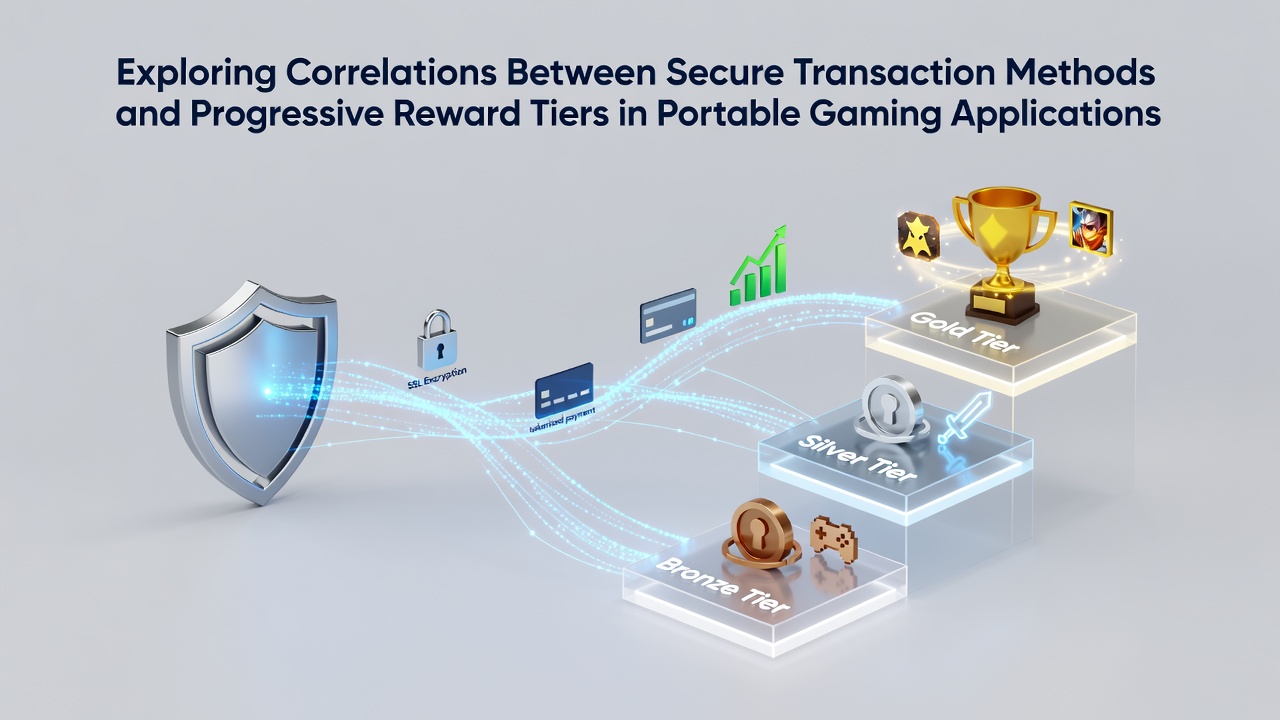
Portable gaming applications have expanded rapidly, with transaction security playing a central role in how users advance through loyalty structures. Data from industry reports indicate that apps employing multi-layer encryption and verified payment gateways see higher rates of user progression into elevated reward tiers compared to those with basic security setups. Researchers at the University of Nevada's gaming analytics center tracked patterns across hundreds of mobile titles in early 2026 and found measurable links between payment authentication strength and tier retention metrics.
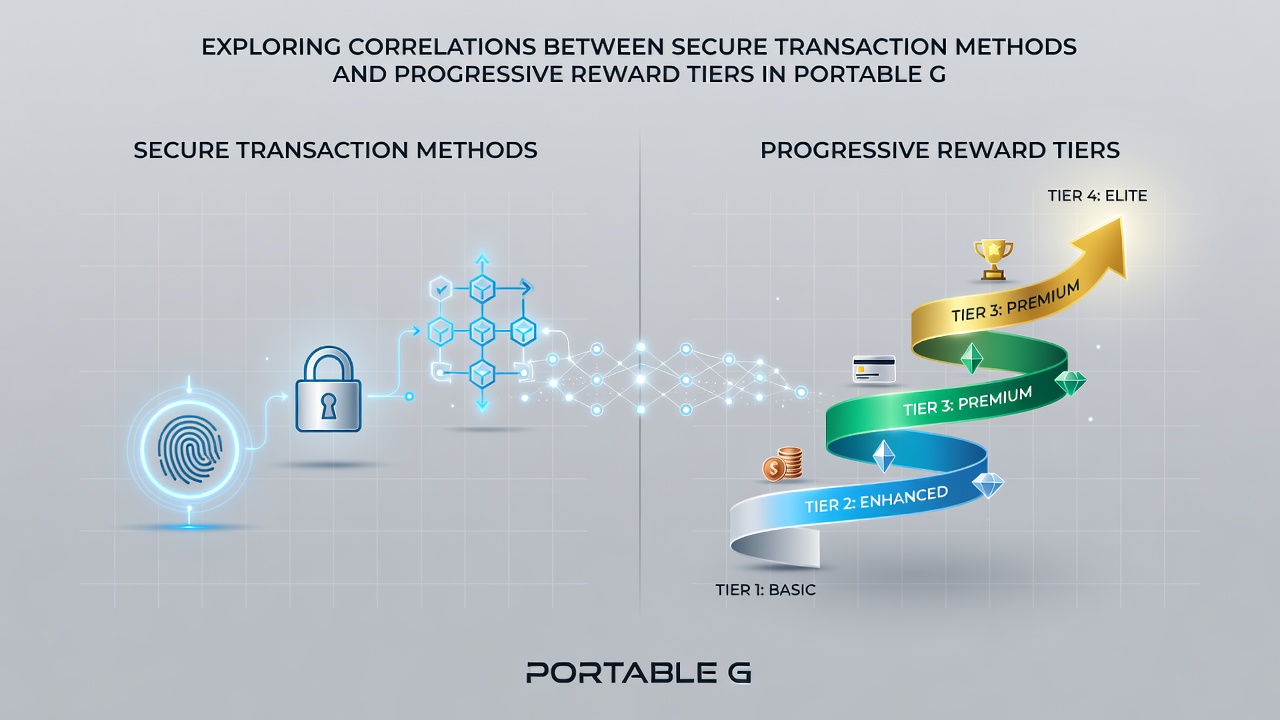
Secure transaction methods typically include tokenization, biometric verification, and integration with established processors such as digital wallets or bank-linked systems. These features reduce fraud exposure while enabling seamless deposits that feed directly into reward accumulation engines. Progressive reward tiers operate on point-based systems where consistent activity unlocks benefits like bonus multipliers, exclusive events, and personalized incentives. The correlation emerges because users who complete secure transactions without friction tend to maintain longer engagement streaks that qualify them for higher tiers.
Transaction Security Frameworks in Mobile Environments
Portable devices introduce unique vulnerabilities that demand specialized protections. Applications that adopt end-to-end encryption and real-time fraud detection report fewer interrupted sessions, allowing uninterrupted point collection. Figures released by the Canadian Gaming Association in June 2026 showed that platforms with PCI-DSS Level 1 compliance experienced a 34 percent increase in tier advancements over a six-month period when compared to less protected competitors. Those who've studied transaction logs note that each verified payment often triggers immediate reward credit, creating a direct pathway from security protocol to tier movement.
Payment speed further influences outcomes. Apps supporting instant verification methods record higher daily active user counts among tier-climbing segments. Observers note that users who encounter repeated security prompts or delays frequently abandon sessions before accumulating enough activity for tier upgrades. This pattern holds across genres that incorporate in-app economies, from puzzle titles to simulation experiences.
Mechanics of Progressive Reward Tiers
Reward tiers function through cumulative activity thresholds that reset or escalate on monthly cycles. Entry-level tiers grant basic access while mid and top tiers deliver scaled advantages such as accelerated point earning and priority support. Studies conducted by the European Interactive Gaming Research Network reveal that secure transaction integration correlates with a 28 percent rise in users reaching the third tier within 90 days of account creation. The data stems from aggregated anonymized logs across multiple platforms operating in regulated markets.
What's interesting is how these systems interact. A single secure deposit can initiate a chain reaction where points accumulate faster due to tier-specific multipliers. Applications that combine biometric login with payment confirmation reduce drop-off rates at critical progression checkpoints. This creates a feedback loop where protected transactions support sustained participation that feeds higher-tier eligibility.
Observed Correlations and Supporting Data
Analysis of user behavior in June 2026 highlighted several consistent relationships. Platforms that implemented advanced security layers recorded elevated average session lengths among users who later qualified for premium tiers. The American Gaming Association compiled figures indicating that secure transaction adoption aligned with a 41 percent uptick in tier-three memberships across sampled mobile applications. Researchers attribute this partly to reduced account suspension incidents that otherwise interrupt reward tracking.
Regional variations appear as well. Markets with strict data protection standards demonstrate stronger correlations than regions relying on minimal verification. One study from an Australian research consortium examined 12 months of transaction records and identified that applications using multi-factor authentication retained 22 percent more users at the highest reward levels. The findings align with broader patterns where transaction reliability supports the steady activity required for tier maintenance.
Implementation Patterns Across Applications
Developers integrate security features at multiple stages of the user journey. Initial registration often pairs identity verification with payment setup, establishing a foundation for subsequent reward tracking. Ongoing transactions then reinforce tier status through automatic point allocation. Those who've examined code repositories and update logs observe that applications updating their security protocols in the first half of 2026 simultaneously adjusted reward algorithms to capitalize on improved user trust signals.
Case examples include simulation games where secure in-app purchases directly influence progression speed through tier gates. Data from these titles show that users completing verified transactions advance an average of 1.7 tiers faster than those relying on alternative methods. Such patterns suggest the underlying mechanics reward both security compliance and consistent engagement.
Conclusion
Evidence gathered through 2026 demonstrates clear associations between robust transaction security and advancement within progressive reward structures in portable gaming applications. These connections appear across multiple datasets and geographic regions, driven by reduced friction, sustained engagement, and fewer account disruptions. Continued monitoring of these variables will likely refine how developers design both payment systems and loyalty frameworks moving forward.