Navigating Verification Protocols to Access Layered Incentives Across Automated Reel and Interactive Table Formats
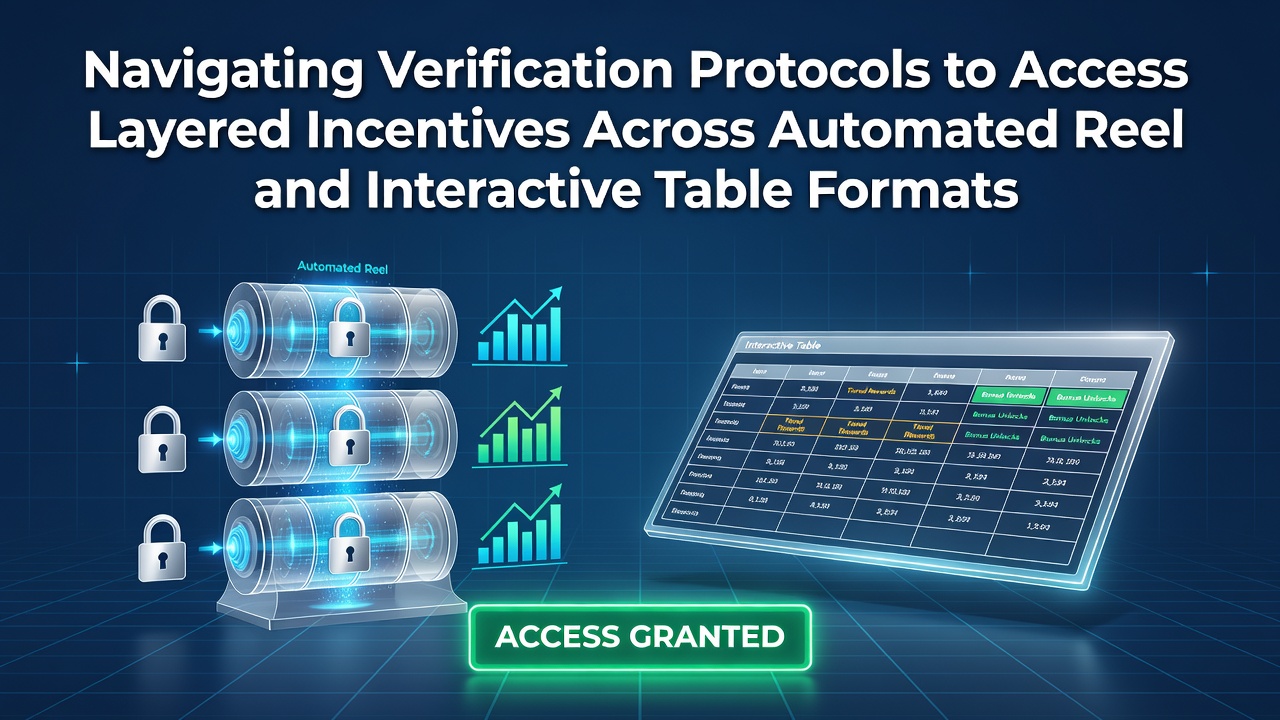
Verification protocols serve as the gateway to layered incentives in automated reel formats and interactive table environments, where players complete identity checks, document submissions, and account validations before unlocking tiered rewards such as deposit matches, free spin packages, and cashback structures. These processes integrate with mobile applications and desktop platforms alike, requiring users to provide government-issued identification, proof of address, and sometimes biometric confirmations to satisfy regulatory standards across multiple jurisdictions.
Core Components of Verification Systems
Automated reel platforms and interactive table interfaces rely on standardized verification sequences that begin with email and phone confirmation, then progress to full know-your-customer procedures often completed within 24 to 72 hours. Data from regulatory filings indicates that successful completion rates improve when operators employ automated document scanning tools combined with manual review teams, allowing players to access initial incentive layers quickly while higher-value rewards await final approval stages. In June 2026, several major platforms reported streamlined workflows that reduced average verification times by integrating third-party services, which cross-reference public records and financial databases without interrupting gameplay sessions.
Layered incentives typically follow a progression model where basic verification unlocks entry-level bonuses, whereas advanced checks tied to transaction history and play volume grant access to VIP programs featuring personalized reload offers and exclusive table game promotions. Observers note that interactive table formats demand additional real-time authentication during live dealer sessions to maintain compliance, especially when players shift between slot reels and card or roulette tables within the same account session.
Regional Regulatory Influences on Protocol Design
Operators adjust verification flows according to local rules, with North American markets emphasizing strict age and location confirmations while European frameworks incorporate responsible gambling assessments alongside identity validation. According to figures from the New Jersey Division of Gaming Enforcement, platforms operating in regulated states must log verification timestamps and maintain audit trails that link each incentive redemption directly to an authenticated user profile. This structure prevents duplicate accounts and ensures layered rewards remain tied to single verified identities across both automated reel and live table offerings.
Canadian provincial regulators have introduced similar requirements that emphasize secure data handling during the verification process, prompting operators to adopt encryption standards that protect player information while enabling faster access to progressive incentive tiers. Those who've examined cross-border operations find that platforms harmonize these protocols to support seamless transitions for players moving between reel-based games and interactive dealer tables without repeated document uploads.
Technical Integration Across Game Formats
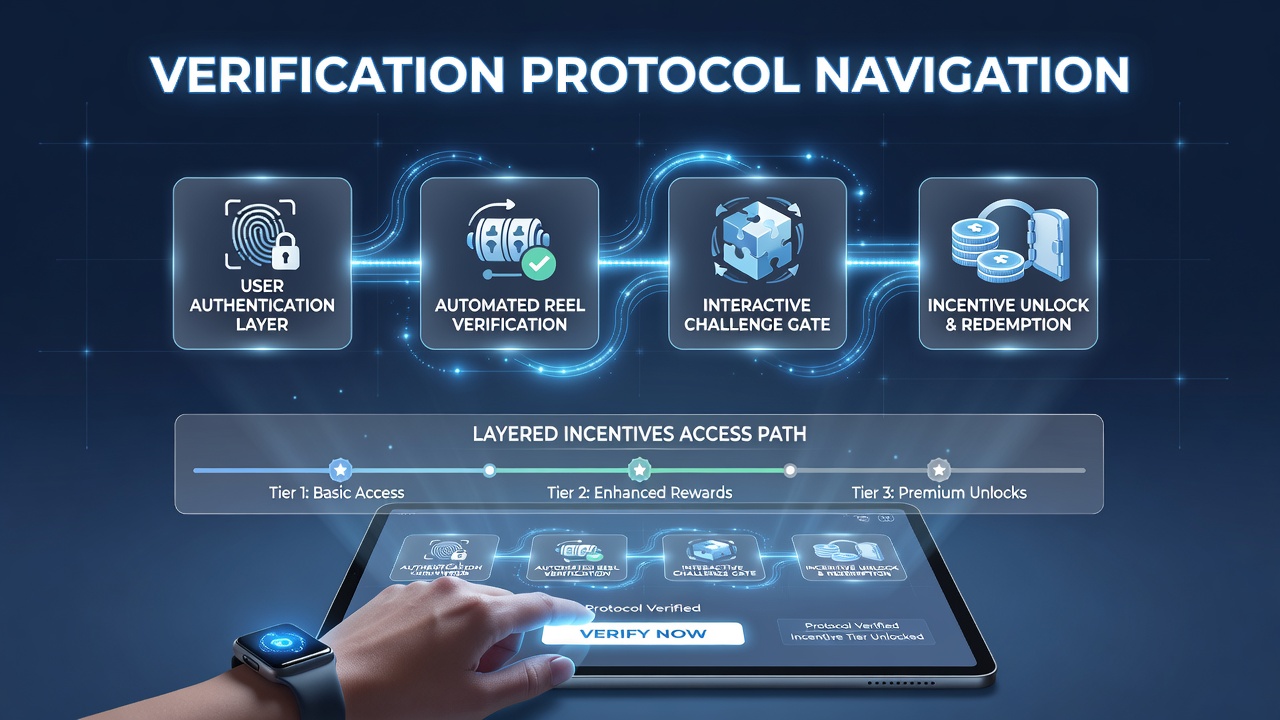
Verification data flows directly into backend systems that track player activity across automated reels and interactive tables, triggering automatic incentive releases once thresholds are met. Research indicates that unified player profiles reduce friction when users switch formats, since completed checks apply universally rather than requiring separate approvals for slot bonuses versus table game rewards. Platforms often display real-time status indicators within mobile interfaces, showing which incentive layers remain locked until additional verification steps conclude.
Payment method verification adds another dimension, where linking and confirming banking details or e-wallet accounts unlocks withdrawal-enabled incentives that complement the initial deposit-based rewards. Data shows higher completion rates when operators provide in-app guidance that walks users through each stage without redirecting them outside the gaming environment, maintaining engagement in both reel and table sections simultaneously.
Player Journey Through Incentive Layers
Players typically encounter verification prompts immediately after registration, followed by targeted reminders when attempting to claim the first incentive layer. Successful navigation often involves uploading clear images of required documents and responding promptly to any follow-up requests from compliance teams. Those who've studied user behavior patterns report that clear communication about required steps correlates with higher rates of full verification completion, granting access to cumulative rewards that scale with continued play across automated and live formats.
Once verified, accounts gain entry to dynamic incentive structures where reel spins contribute toward one set of milestones while table game participation advances separate progress bars, yet both draw from the same verified profile. This design encourages format exploration while preserving the integrity of reward distribution through centralized authentication records.
Conclusion
Verification protocols continue to evolve in tandem with advancements in automated reel and interactive table technologies, creating structured pathways that connect identity confirmation directly to access of layered incentives. Regulatory updates and technical refinements in June 2026 have further aligned these systems across regions, enabling consistent player experiences while upholding compliance standards. Platforms that prioritize clear, integrated verification flows support broader participation in reward programs spanning both game categories without compromising security requirements.