Payment Pathways and Live Table Rewards in Mobile Gaming Ecosystems
Parker Sullivan · Aug 26, 2026
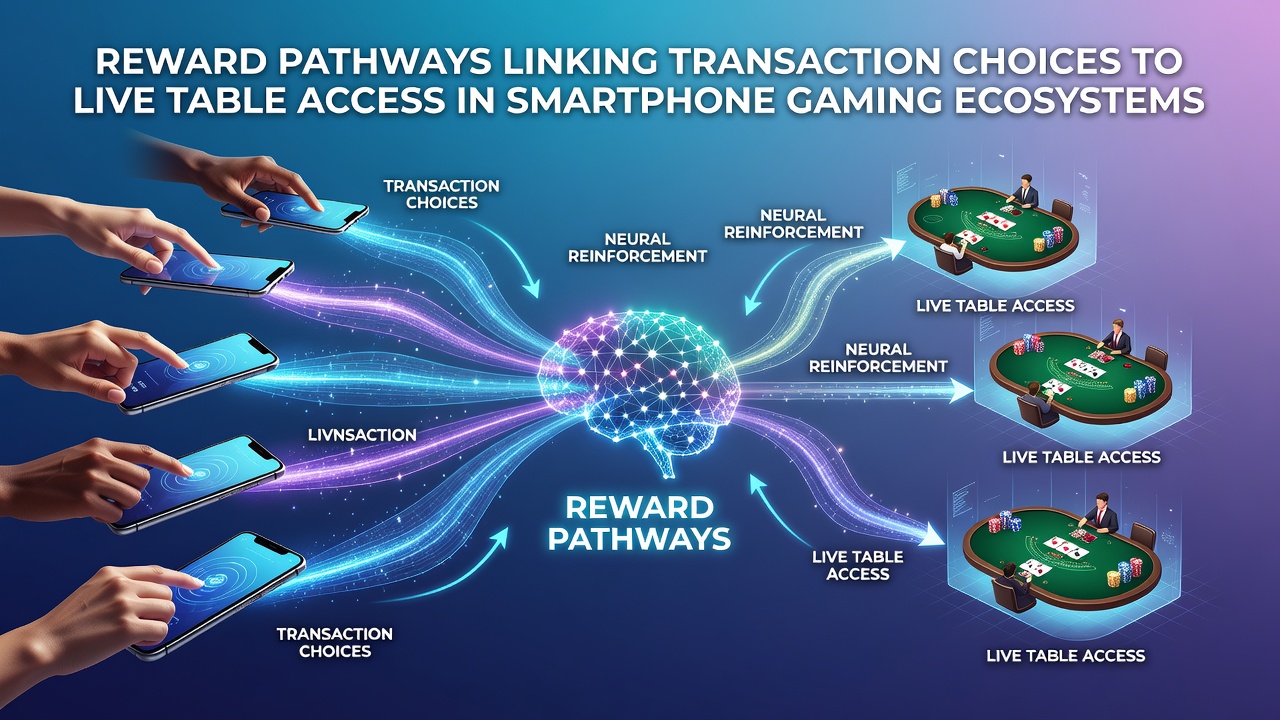
Payment Pathways and Live Table Rewards in Mobile Gaming Ecosystems
Smartphone gaming ecosystems have expanded rapidly since the early 2020s, with transaction methods now serving as direct gateways to live table privileges in many platforms, and data from industry reports show that deposit speed and method often determine tier progression toward exclusive dealer tables. Payment options range from traditional credit cards to digital wallets and bank transfers, each carrying distinct processing times that influence how quickly users unlock real-time interactive formats, whereas slower methods may delay entry into higher-reward live sessions.
Transaction Methods and Their Direct Effects on Access Tiers
Users who select instant e-wallet options frequently advance through loyalty structures at accelerated rates because platforms credit rewards immediately upon confirmation, and this pattern appears in multiple mobile applications where same-day access to live blackjack or roulette tables becomes available after the first qualifying deposit. Credit card transactions, by contrast, sometimes require additional verification steps that extend the timeline for reward activation, although they still contribute to cumulative points that eventually grant premium table entry. Observers note that cryptocurrency deposits have gained traction in certain regions because they bypass conventional banking delays, allowing players to reach live dealer environments within minutes rather than hours.
Regional Data Patterns Emerging in 2026
Figures compiled through August 2026 indicate that mobile platforms operating in regulated North American markets recorded higher volumes of live table sessions tied to rapid transaction completions, according to statistics released by the American Gaming Association. In parallel, platforms serving European users showed similar correlations where bank transfer users reached VIP live access after longer accumulation periods compared with those using digital wallets. Research conducted by academic groups at institutions focused on digital entertainment economics has tracked these pathways, revealing that reward algorithms prioritize transaction velocity when assigning live table privileges.
Loyalty Structures Connecting Deposits to Live Dealer Entry
Many smartphone applications employ layered loyalty programs where each transaction type feeds into a points matrix that unlocks successive tiers, and live table access typically sits at mid-to-upper levels because these formats require real-time server resources. Players who consistently use faster payment rails accumulate the necessary thresholds more efficiently, which in turn opens private tables with lower minimums or dedicated dealer streams. Case examples from operational platforms demonstrate that users switching to instant methods after initial slower deposits often experience a noticeable jump in live session availability within the same billing cycle.
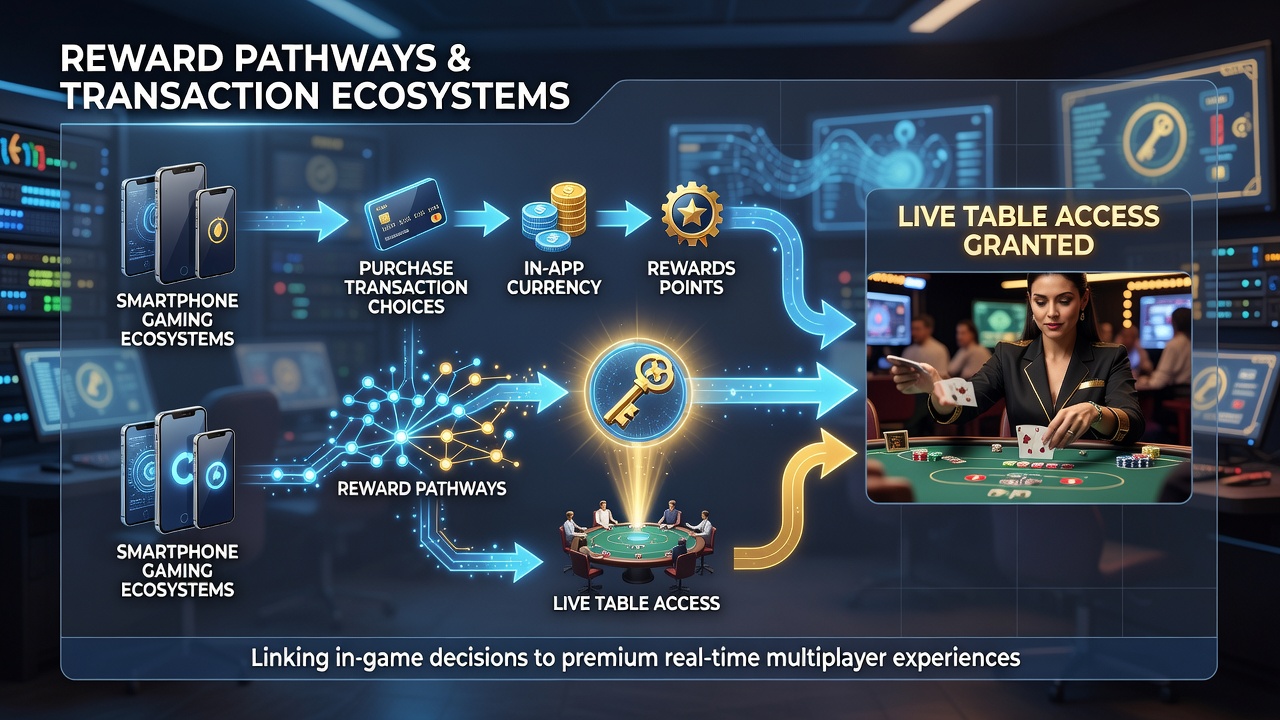
Platform operators integrate these mechanics through backend systems that monitor deposit metadata alongside gameplay volume, creating reward pathways that feel seamless to the end user yet remain tightly coupled to financial behavior. Studies from gambling research organizations in Canada and Australia have documented how such linkages affect user retention, with live table privileges functioning as high-value incentives that encourage repeated transaction activity.
Verification Protocols and Their Role in Reward Activation
Security checks applied during transactions can either accelerate or postpone access to live formats, and platforms that streamline identity verification for returning users tend to deliver faster progression toward premium tables. Data indicates that accounts cleared through biometric or pre-approved wallet links reach live dealer environments with fewer interruptions, whereas new or high-volume accounts may encounter staged reviews that temporarily limit table options. Industry reports from sources including the New Jersey Division of Gaming Enforcement highlight that regulated environments maintain audit trails linking every transaction to subsequent reward redemptions, ensuring compliance while still supporting the reward pathways described.
Platform Variations Across Global Markets
Differences emerge when comparing mobile ecosystems in Asia-Pacific regions with those in the Americas, because local regulations shape which transaction types receive preferential reward weighting. In markets where instant bank apps dominate, users reach live table tiers after fewer deposits than in areas relying more heavily on card networks. Those who've examined cross-border usage patterns find that hybrid wallets capable of operating across currencies often provide the most consistent route to elevated live access, especially for frequent travelers using the same application.
Conclusion
The connections between transaction choices and live table access in smartphone gaming continue to evolve as platforms refine their algorithms and regulators update compliance standards. Evidence from multiple jurisdictions shows that payment speed, verification efficiency, and loyalty integration collectively determine how quickly users enter real-time dealer environments, and these dynamics are expected to remain central to mobile ecosystem design through the remainder of 2026 and beyond.