Payment Patterns Shaping Multi-Level Rewards in Mobile Reel and Table Games
Zara Franke · Jul 31, 2026
Payment Patterns Shaping Multi-Level Rewards in Mobile Reel and Table Games
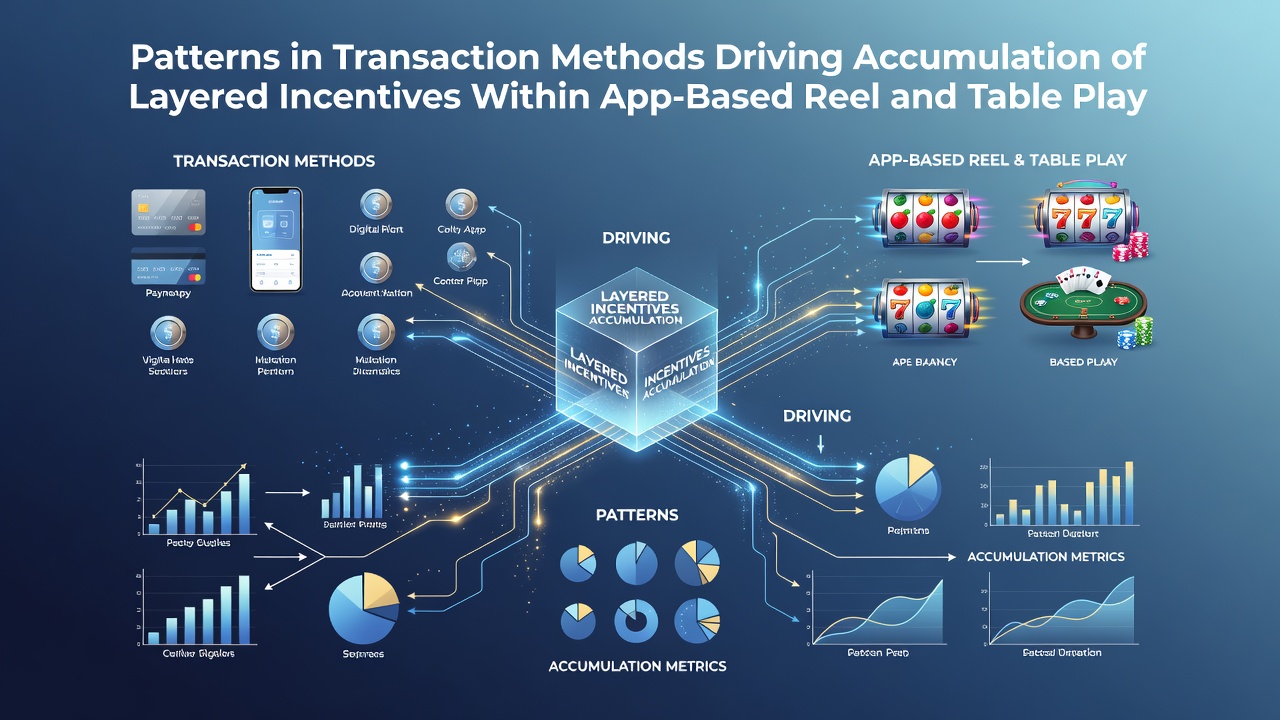
Transaction methods in app-based gaming environments have developed distinct patterns that align closely with how users accumulate layered incentives across reel and table formats, and these patterns continue to evolve as payment technologies integrate more deeply with loyalty systems. Observers note that deposit speed, verification protocols, and preferred payment rails often determine the pace at which players progress through reward tiers, while data from industry reports indicate that certain methods correlate with higher volumes of play and faster qualification for bonuses.
Core Transaction Methods in Mobile Gaming
App-based platforms supporting reel spins and interactive table sessions typically offer a range of payment options including credit cards, e-wallets, bank transfers, and in some regions prepaid vouchers, and each option carries different processing times that affect how quickly players can access promotional features. Research from the American Gaming Association shows that e-wallet transactions often complete in under 30 seconds during peak hours, whereas traditional bank transfers may require several hours or overnight settlement, and this difference influences the frequency with which users trigger time-sensitive incentives such as reload bonuses or tiered cashback offers.
Verification steps tied to each method also play a measurable role, because platforms apply risk-based checks that can delay fund availability for new accounts using certain card types, while returning users with established e-wallet links experience streamlined approvals. Those who've examined user behavior data find that accounts relying on instant-verification methods accumulate loyalty points at a steadier rate, since uninterrupted play sessions allow consistent progress toward higher reward brackets without artificial pauses.
Layered Incentive Structures
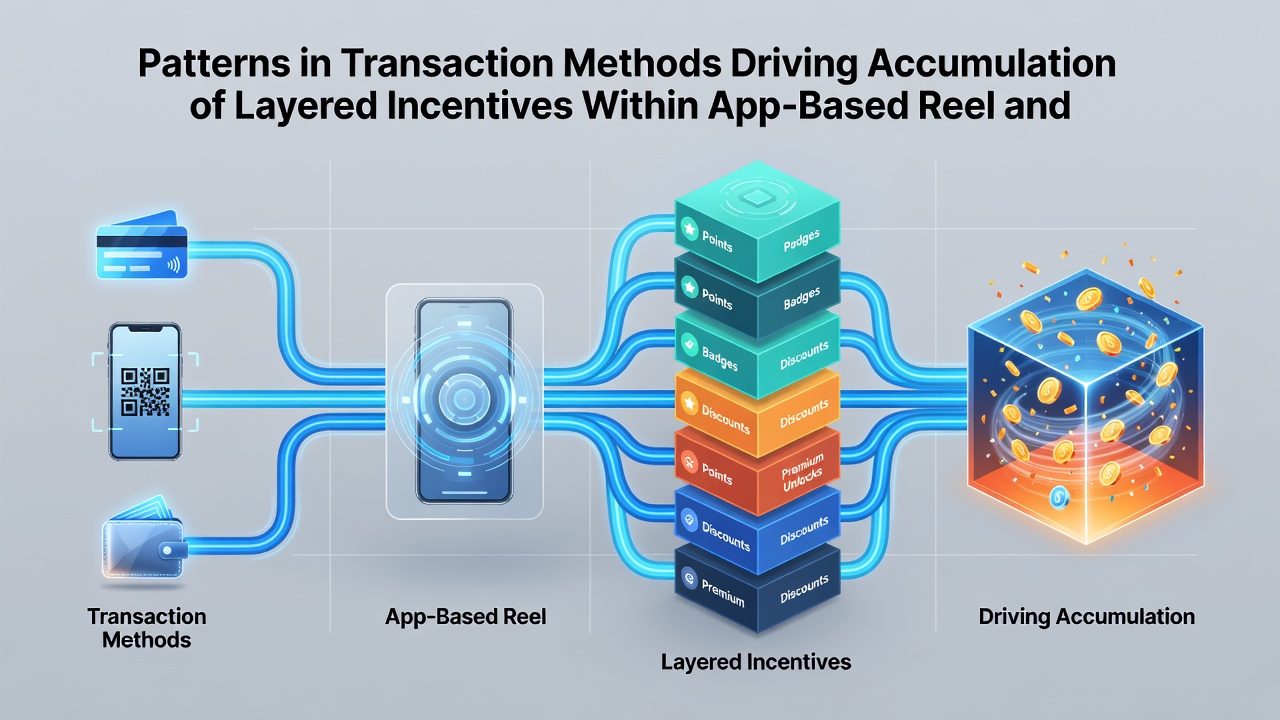
Layered incentives in these applications usually consist of entry-level welcome packages, mid-tier reload offers, and premium VIP benefits that unlock after reaching cumulative deposit or wager thresholds, and the structure rewards players who maintain consistent transaction activity. Reports from iGaming Ontario indicate that players using the same payment method across multiple sessions tend to qualify for stacked promotions more rapidly than those who switch methods frequently, because unified transaction histories simplify the tracking algorithms that award bonus eligibility.
Table game formats often carry different incentive multipliers compared with reel play, yet both categories feed into the same overarching loyalty framework, and this integration creates pathways where high-volume table sessions funded through rapid-payment methods accelerate overall tier advancement. Figures reveal that during July 2026 several major operators adjusted their incentive schedules to place greater emphasis on deposit frequency rather than total amount, reflecting observed shifts in user payment preferences toward smaller, more frequent transactions that still build toward layered rewards.
Observed Correlations Between Methods and Rewards
Patterns emerge when analysts compare transaction logs against reward accumulation rates, and one consistent finding shows that platforms with integrated instant-deposit features report higher percentages of users reaching mid-tier loyalty levels within the first 30 days of activity. Those who've studied these datasets note that e-wallet users in particular demonstrate stronger retention in both reel and table categories, since seamless top-ups reduce friction that might otherwise interrupt momentum toward bonus thresholds.
Regional differences appear as well, with North American operators more likely to tie incentive layers to credit-card volume while European and Australian platforms favor e-wallet or digital-bank integrations that align with local regulatory preferences. A research paper published by Gambling Research Australia highlights that transaction-route consistency correlates with elevated prize-accumulation metrics, because players who avoid method-switching maintain cleaner audit trails that platforms use to validate and release layered rewards without additional review delays.
Impact on User Engagement Patterns
Engagement data collected through July 2026 demonstrates that apps offering real-time transaction confirmations paired with immediate loyalty-point crediting see elevated session lengths in both automated reel and live table environments. Experts observe that users who experience seamless payment-to-reward loops tend to explore higher-stakes table variants once they reach premium incentive tiers, whereas slower verification pathways often keep activity concentrated in lower-variance reel formats.
Operators have responded by refining their backend systems to prioritize certain payment rails for faster reward processing, and this adjustment has produced measurable upticks in cross-format play where reel users migrate to table sessions after unlocking new incentive layers. The reality is that transaction method choice now functions as an indirect driver of reward velocity rather than a neutral background process.
Conclusion
Patterns linking transaction methods to layered incentive accumulation continue to shape how players interact with mobile reel and table offerings, and ongoing refinements in payment infrastructure suggest these connections will grow more pronounced. Data from multiple regulatory and research bodies confirm that speed, consistency, and verification ease remain central variables in determining how rapidly users progress through reward structures, providing a factual basis for understanding current trends in app-based gaming environments.