Platform Ratings as Gateways to Multiplied Opportunities in Live and Automated Prize Systems
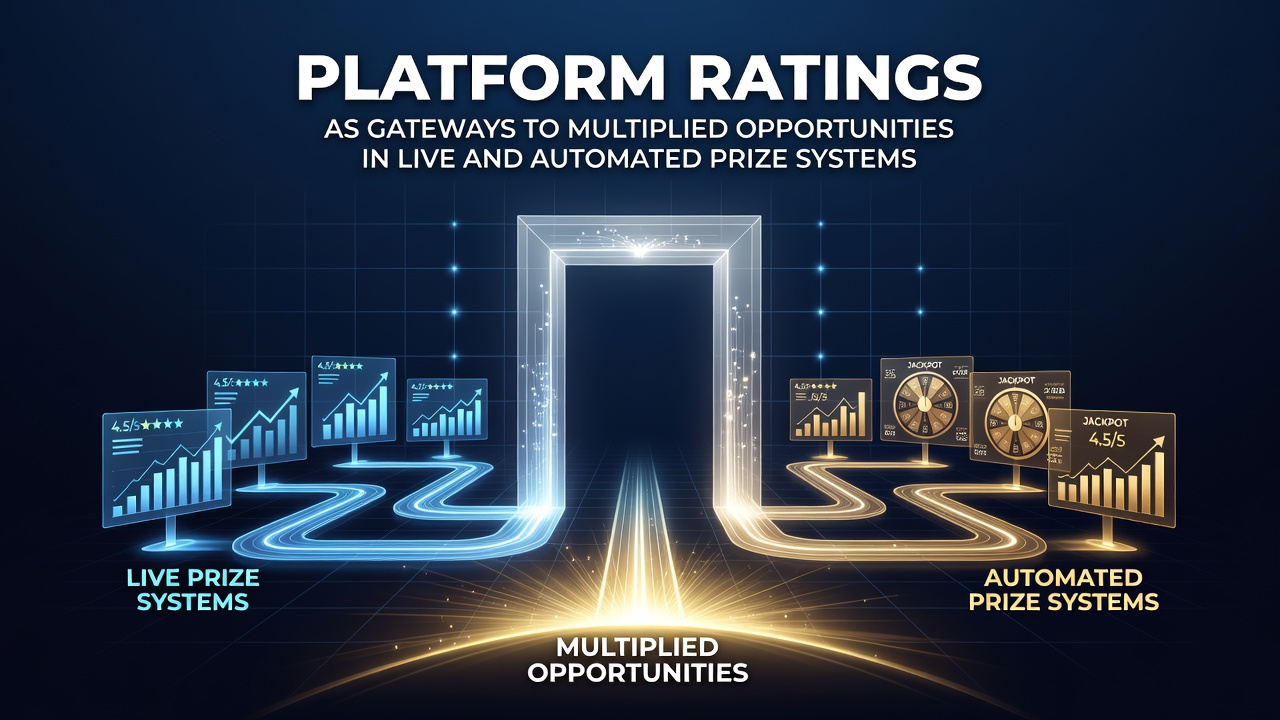
Platform ratings function as structured evaluation frameworks that assess user engagement patterns, transaction histories, and performance metrics across live dealer environments and automated prize mechanisms, and these frameworks open pathways to expanded reward access while operators track activity in real time. Data from June 2026 shows continued integration of such systems in markets where regulatory bodies monitor compliance and growth indicators simultaneously.
Core Mechanics Behind Rating Systems
Rating algorithms evaluate factors including session duration, wager volume, and interaction frequency, and they assign tier levels that determine eligibility for enhanced prize structures. Observers note that these tiers create direct connections between consistent participation and access to higher-value opportunities in both interactive table formats and reel-based automation. Research from industry reports indicates that platforms using transparent rating criteria experience measurable increases in user retention rates during the first half of 2026.
Live prize systems benefit when ratings incorporate real-time elements such as dealer interaction quality and table performance outcomes, whereas automated systems rely more heavily on algorithmic consistency and volume thresholds. The distinction matters because operators adjust reward multipliers accordingly and users move between formats without losing accumulated status.
Live Dealer Environments and Rating Advantages
In live dealer settings ratings track elements like response times during table play and participation in progressive prize pools, and these metrics translate into opportunities for exclusive event access or accelerated point accumulation. Figures from multiple jurisdictions reveal that platforms maintaining detailed rating logs report higher average session values compared to those without structured evaluation. What's interesting is how ratings serve as gateways because they allow operators to segment users into groups that receive tailored invitations to high-stakes live events.
Those who maintain elevated ratings often gain entry to private tables where prize pools grow faster due to concentrated participation, and this dynamic multiplies potential returns while maintaining regulatory oversight. Data indicates that live formats in regions with mature gaming oversight saw continued expansion of rating-linked features through June 2026.
Automated Prize Systems and Scaled Rewards
Automated systems apply ratings through metrics focused on spin frequency, bonus trigger rates, and cumulative wager totals, and these calculations determine access to multiplied prize tiers without requiring live moderation. Experts have observed that rating progression in automated environments often occurs faster than in live settings because continuous operation allows for steady data collection. The result is that users with strong ratings unlock layered bonus structures that compound over successive play cycles.
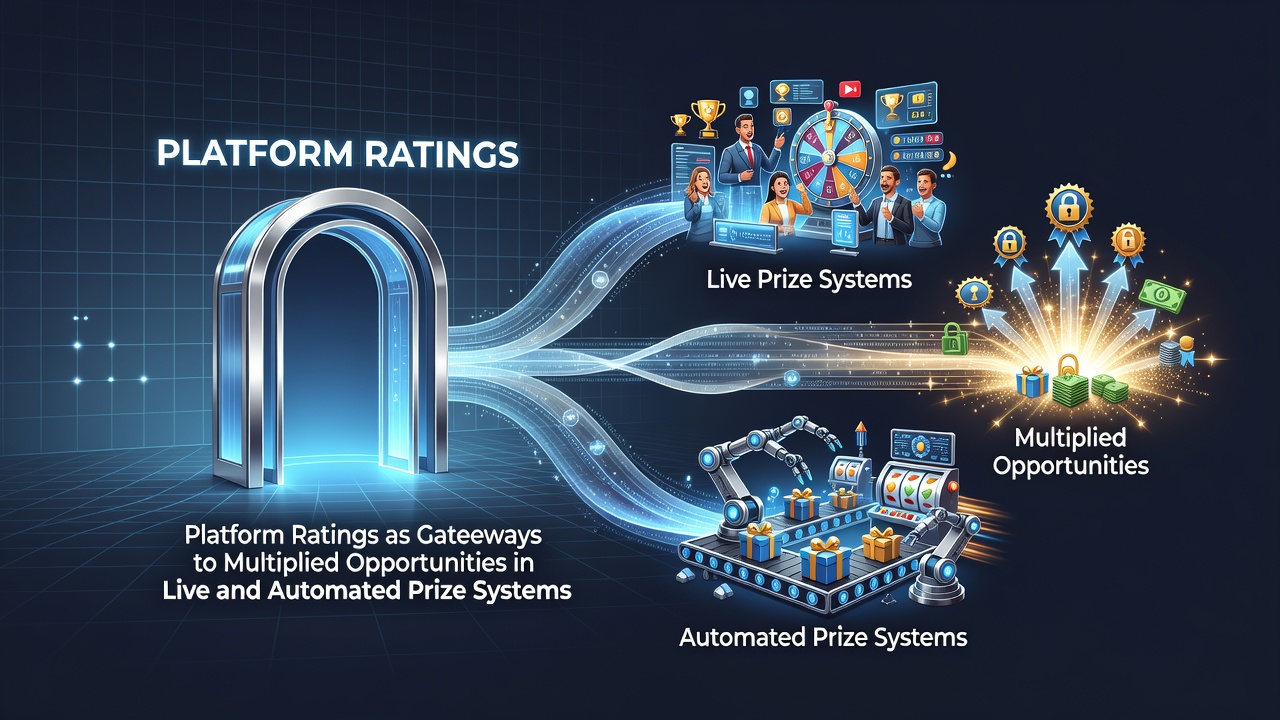
Platforms integrate these systems with loyalty mechanisms that convert ratings into direct prize enhancements, and this approach creates measurable differences in outcome distribution across user segments. Research indicates that automated prize accumulation accelerates when rating thresholds align with progressive jackpot contributions, producing documented cases where higher-rated participants secure larger aggregate payouts over equivalent time periods.
Cross-Format Transitions and Opportunity Multiplication
Users frequently shift between live and automated formats while carrying forward their established ratings, and this continuity multiplies opportunities because operators recognize consistent engagement regardless of format preference. According to data compiled by the American Gaming Association, platforms that support seamless rating portability report elevated cross-format participation rates. The mechanism works because ratings act as portable credentials that unlock format-specific rewards while preserving overall status levels.
Regulatory tracking in several markets requires clear documentation of how ratings influence prize distribution, and operators respond by publishing tier criteria that help users understand progression pathways. This transparency supports sustained activity and allows for more precise opportunity mapping across live tables and automated reels alike.
Regional Developments and Data Patterns
June 2026 brought additional reporting from oversight bodies in North America and parts of Europe that highlighted rating system impacts on prize system performance. Figures reveal steady growth in platforms that link ratings to both live and automated prize access, particularly where transaction efficiency and verification protocols support rapid tier advancement. Observers note that these patterns appear consistently across different regulatory frameworks, suggesting the gateway function operates independently of specific jurisdictional rules.
Industry analyses from sources such as the Canadian Gaming Association document how rating-linked opportunities contribute to overall market stability by encouraging longer-term participation. The data shows that platforms emphasizing clear rating criteria tend to maintain higher user activity levels even during periods of broader economic fluctuation.
Conclusion
Platform ratings continue to serve as measurable gateways that connect user activity with expanded prize opportunities in live and automated systems, and the mechanisms rely on consistent data evaluation across formats. Evidence from 2026 demonstrates that these systems support structured reward scaling while remaining subject to regulatory monitoring, and the result is an environment where rating progression directly influences access to multiplied outcomes. Operators and users alike operate within frameworks where transparent criteria guide opportunity distribution, producing patterns that hold across multiple markets and formats.