The Dynamics of Progressive Prize Growth in Relation to User Engagement Patterns Within Digital Gambling Applications
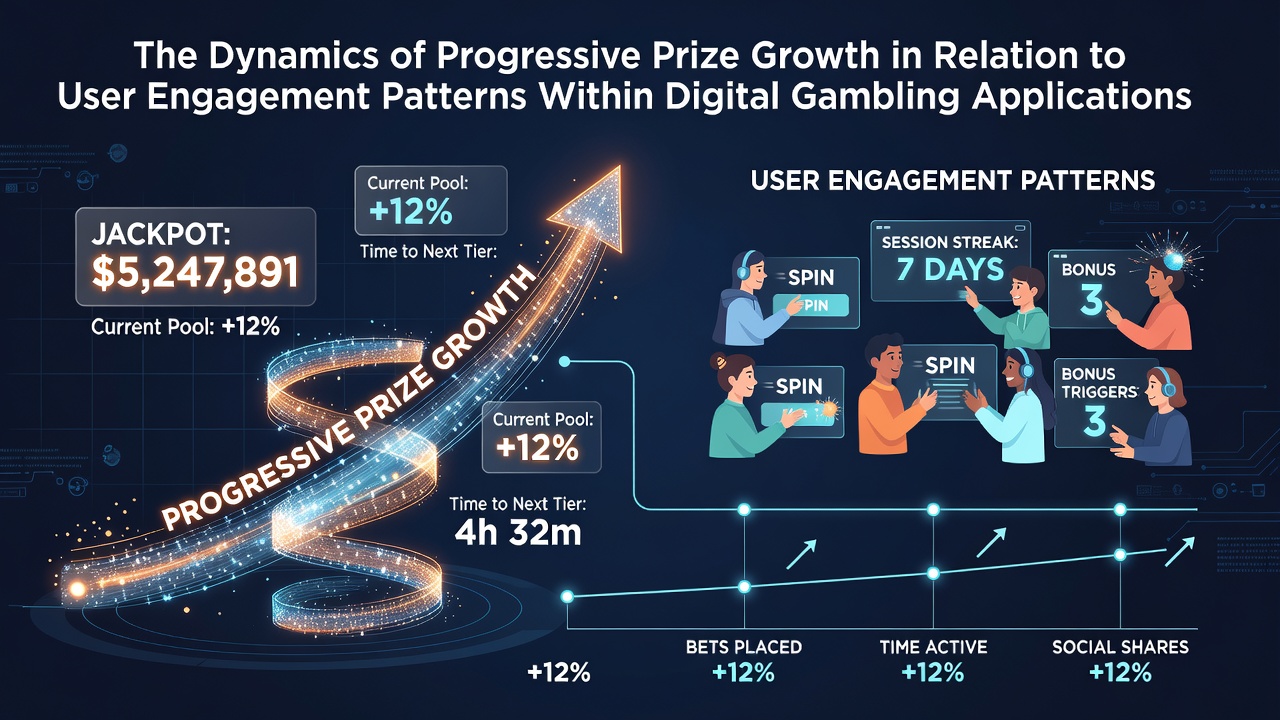
Progressive prize pools in digital gambling applications expand through continuous contributions from player wagers, and these mechanisms create measurable links between participation levels and prize accumulation rates. Data from multiple jurisdictions shows that higher user engagement directly accelerates pool growth while also influencing retention cycles across mobile and desktop platforms. Observers note that jackpot meters tick upward based on fixed percentages of each bet, yet the frequency and volume of those bets depend on how players interact with the software over time.
Mechanics Behind Progressive Accumulation
Each wager placed on a progressive slot or table game diverts a small portion into a shared pool, and this process scales with the number of active sessions at any given moment. When thousands of users log in simultaneously during peak hours, contribution rates climb faster than during off-peak periods, which researchers have tracked through timestamped transaction logs. Application operators configure seed amounts and increment percentages in advance, so the starting value and growth speed remain consistent until external factors like promotions or new user influxes alter the equation.
Studies from regulated markets indicate that cross-game linkages, where multiple titles feed into one pool, produce steeper growth curves once engagement thresholds are crossed. For instance, a network connecting several slot themes can see daily increments multiply when player counts rise above baseline figures recorded in the same month one year earlier.
Engagement Patterns and Their Measurable Effects
User behavior logs reveal distinct patterns: short, frequent sessions contribute steady increments while extended play periods generate larger individual contributions that compound across the network. Those who've analyzed anonymized datasets find that players returning within 24 hours of a previous session increase overall pool velocity by sustaining the contribution stream without gaps. Mobile notifications and loyalty prompts often coincide with these return spikes, though the precise impact varies by region and device type.
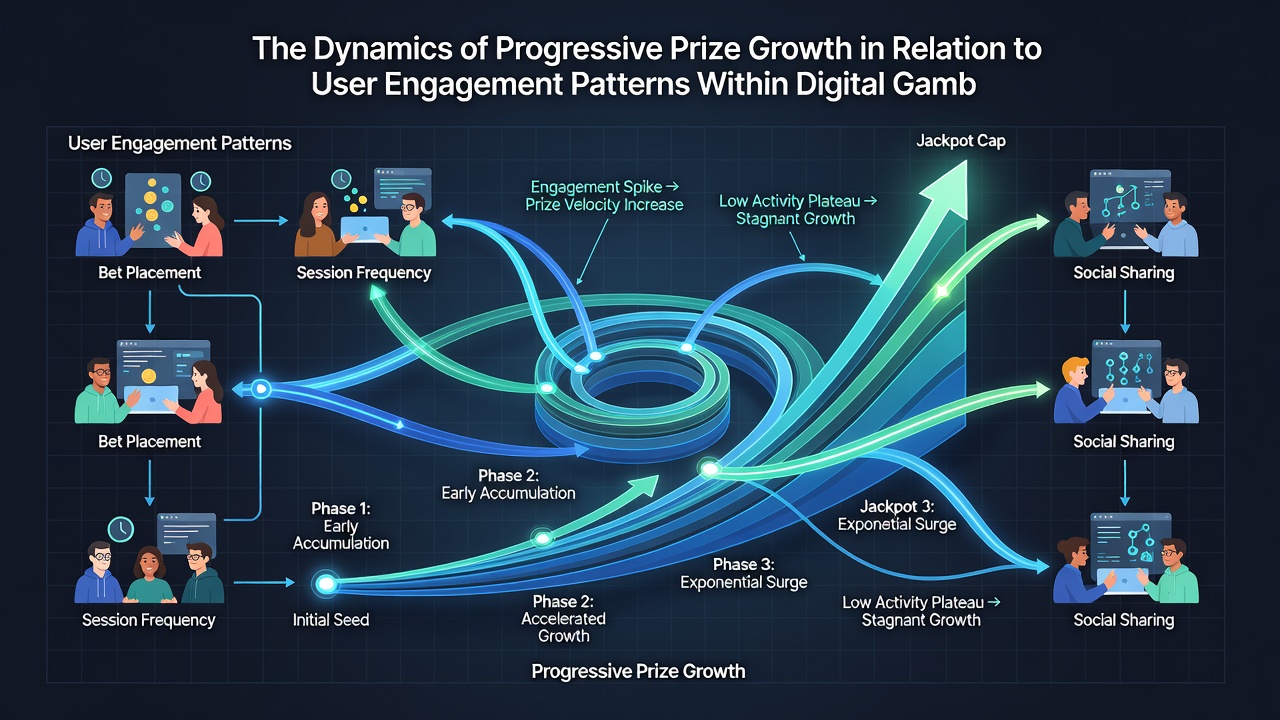
Geographic and temporal data collected through July 2026 demonstrates that evening engagement windows in North American markets produce higher average bet sizes compared with daytime activity, which in turn accelerates prize expansion during those hours. Canadian provincial reports similarly document that integrated loyalty tiers correlate with longer average session lengths and correspondingly larger aggregate contributions to progressive pools.
Regional Data and External Benchmarks
According to figures released by the New Jersey Division of Gaming Enforcement, progressive contributions within state-licensed online platforms rose in tandem with monthly active user counts through the first half of 2026. These records show that applications maintaining consistent daily engagement above prior-year levels recorded faster meter climbs, particularly on linked progressive networks. In parallel, industry analyses from the Canadian Gaming Association highlight how structured reward pathways influence repeat logins, which sustain the flow of wagers feeding shared prize funds.
Academic examinations of transaction datasets further illustrate that verification completion rates affect the speed at which new users begin contributing. Platforms that streamline onboarding processes see earlier participation in progressive games, shortening the lag between account creation and pool contributions. Such patterns appear across both regulated adn emerging markets, though exact percentages differ based on local rules and platform design.
Correlations Between Activity Volume and Prize Velocity
Statistical reviews of application telemetry indicate strong positive correlations between concurrent user numbers and hourly prize growth rates. When session counts increase by a given percentage, pool increments follow a proportional trajectory provided the average wager remains stable. Researchers examining these relationships emphasize that engagement metrics such as time spent per session and frequency of returns serve as leading indicators for subsequent growth phases.
One documented case involved a multi-title progressive network where a 15 percent rise in daily active users over a four-week span produced a corresponding acceleration in meter advancement that exceeded the prior baseline by measurable margins. Observers tracking these shifts note that external events like scheduled tournaments or seasonal campaigns can amplify these effects temporarily before patterns revert to established trends.
Conclusion
Progressive prize growth within digital gambling applications follows predictable mathematical rules tied directly to wager volume and user activity levels. Records from oversight bodies and aggregated platform data confirm that engagement patterns shape both the pace and scale of pool expansion across different markets. Continued monitoring of these dynamics through transaction and session analytics provides operators and regulators with concrete benchmarks for understanding how participation influences prize trajectories over time.